
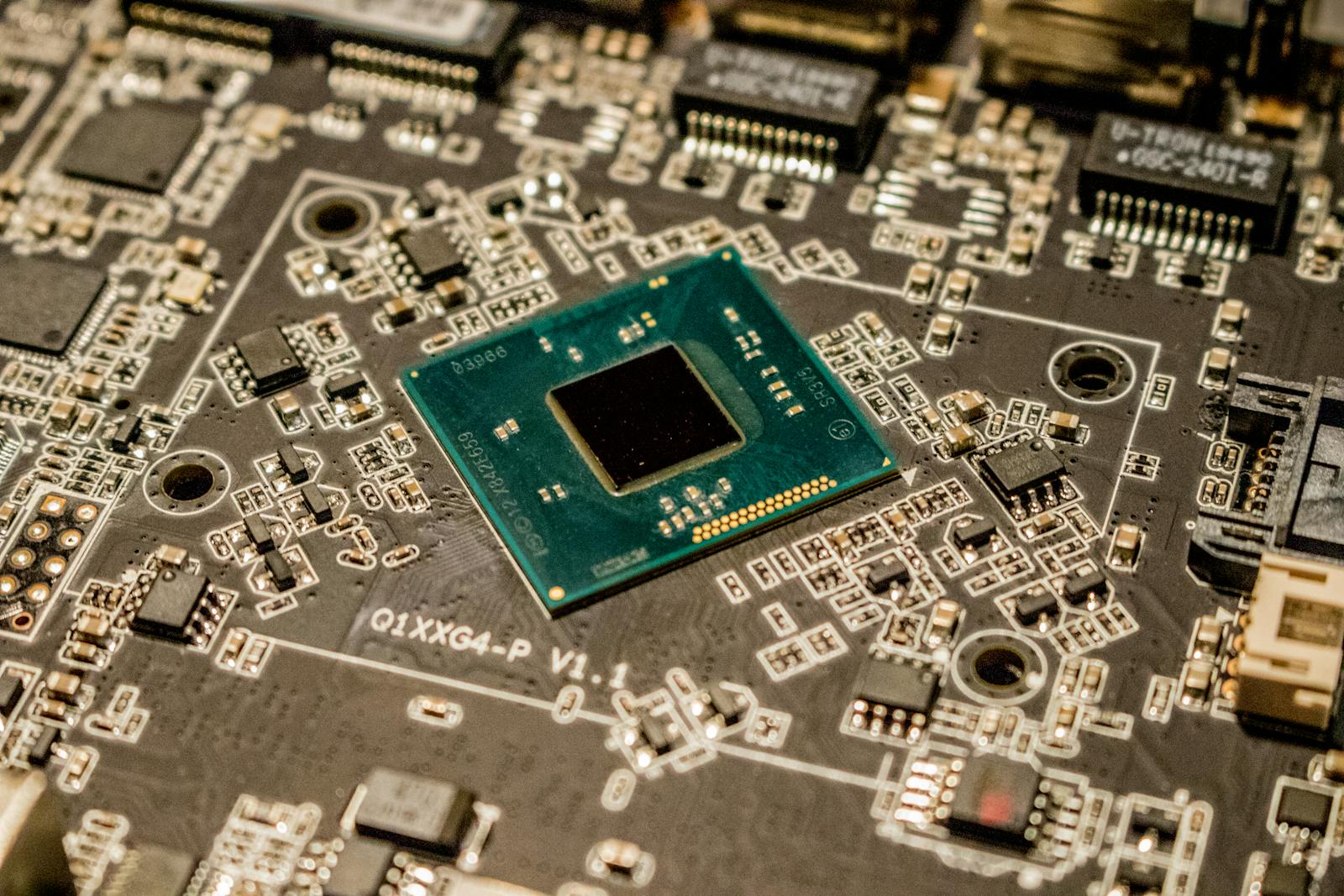
The machines arriving in data centers this year do not look like computers at all — gold-chandelier cylinders cooled colder than deep space. Yet operators say these quantum processors solve narrow problems in minutes that would take conventional supercomputers thousands of years.
Why security teams are paying attention
Modern encryption rests on math problems that ordinary computers cannot solve in a useful timeframe. A sufficiently powerful quantum machine could unravel some of them, which is why banks and telecom operators are auditing every place their data is encrypted — from mobile apps to undersea cables.
"Nobody is suggesting the internet breaks tomorrow," says Dr. Amara Lindqvist, a cryptographer interviewed for this story. "But the migration to quantum-safe encryption takes years, so the work has to start while the machines are still young."
What changes for everyday users
For most people, the shift will be invisible: messaging apps, browsers and payment terminals will quietly adopt new encryption standards through ordinary software updates. The visible change is investment — funding for quantum-safe startups tripled in two years, and three national labs opened dedicated testing facilities this spring.
The road ahead
Engineers caution that today's machines are still error-prone and suited only to specialized tasks like materials simulation and optimization. The security conversation, though, has moved from theory to procurement: the question is no longer whether to prepare, but how fast.
Key takeaways
- New quantum processors are moving from research labs into commercial data centers.
- Banks and governments are auditing encryption ahead of quantum-safe standards.
- Everyday users will be protected through routine software updates.

Maya Chen
Senior Writer covering computing, chips and cybersecurity for Dailyhawk Newsroom.


